While writing up notes for my Project Blog Survey, I learned from George Dearing about the new MindMeister product, a web based “mindmapping” tool that supports graphical concept mapping, collaboration, and group Skype calling.
All in Web 2.0
Ana Caraveli in the Journal of Association Leadership has published a lengthy and thoughtful article titled Building the Future on Member Value: Codevelopment as a Key to Customer Relationships in the 21st Century.
The best podcasts I’ve heard recently on enterprise adoption of social media are two interviews with Toby Redshaw of Motorola by Dan Bricklin. One is from March of 2006 and the other from March 2007.

How Important is Web Usage Data To You?
Robert Scoble in his May 13, 2007 We Need Better Statistics post does a nice job of starting off a discussion of the problems currently experienced by anyone who tries to make sense of web usage statistics.

Five Factors That Influence Successful Corporate Adoption of Internal Social Media and Web 2.0 Initiatives
While tracking adoption of “web 2.0” applications such as internal blogs, wikis, and social book marking systems by large organizations, I’m seeing a couple of factors emerging that, anecdotally at least, appear to be associated with successful adoption.
Lisa Welchman in Why I’m Disgusted with Web Teams on The Gilbane Group Blog has a great rant about corporate web site mismanagement (or lack of management, basically the same thing). Here's a quote:

Assessing Gartner Support for Corporate Web 2.0 Planning
Recently Dennis Howlett, another Social Media Collective member, wrote about Gartner and its views on Web 2.0. Since I had an opportunity recently on behalf of a client to do some digging through Gartner’s reports and data and to talk with a number of Gartner’s analysts, I thought I’d share here some of my own observations.

On Balance, Web 2.0 Is Bigger than Corporate I.T.
On April 12, John Milan, in Read/WriteWeb's Web 2.0's Future All Depends On IT's Future, discussed recent research reports from Forrester and The Leading Edge Forum. The reports address corporate adoption of "web 2.0" technologies.
Ed Felten, in Judge Geeks Out, Says Cablevision DVR Infringes, provides an overviw of how technology played into a recent court decision on a case where Twentieth Century Fox Film Corp. was pitted against Cablevisions Systems Corp. (2007 WL 867093). The issue:

WIkipedia Revisited (Again)
I've witnessed firtshand some of the editorial craziness surrounding Wikipedia. Frankly, I'm tired of the subject.
For those who are still awake to this topic and would welcome a wonderfully long and opinionated discussion of the issues swirling around Wikipedia, check out WIkipedia Revisited, by Walt Crawford, in the newsletter Cites & Insights: Crawford at Large, Volume 7, Number 3.
Thanks to a note provided by Sam Huleatt I attended a luncheon session last week in Washington DC titled “Leveraging Social Networks for Progressive Organizing.” I got an earful about how social networks are being used by nonprofits, election campaigns, and social action groups.
In a previous post I commented on the need to take into account, when developing strategies for implementing enterprise content management (ECM) systems, how social media can support not only internal and external corporate communications but also corporate innovation processes. In this post I discuss some of the issues associated with defining and assigning ownership and responsibility for such systems.
I recently demonstrated social networking and social media concepts to a group of professionals via a special version of this blog. I showed among other things how easy it is to locate RSS feeds and subscribe to them as well as the various ways you can view them. I even showed how easy it is to see what Netflix DVDs I have at home, courtesy of a special RSS feed.
In retrospect I realize how confusing this topic can be to some people who are accustomed to the concept of “web sites” and “web pages.”
Jeremiah Owyang has a good rundown of current discussions among PR and media luminaries about whether social media are "adopted" or not.
My initial response: "So, what else is new?"

How Involved Should Customers Be in Managing Their Own Technical Support?
Last week I wrote about my experiences when my main laptop computer died. The bright spot was that I learned about the value of remotely-sourced database access through my use of DabbleDB. The dark side: my experience with my computer vendor’s Gold service plan.
Looking back, I can see advantages and disadvantages of using social media and social networking technologies as components in overall customer and technical support situations.

Overlapping and Evolving Online Communities are becoming the Rule, Not the Exception
I received an email last night from a reader of this blog asking me to comment on cost estimates he had received for the development of a new social networking service. He wants to offer targeted services to a specific but large population segment.
His thinking corresponds with a lot of interest people have these days for applying social networking techniques in a profitable or meaningful way to different population groups — young people, old people, professionals, managers, sports enthusiasts, podcasters, jobseekers, lonely hearts — you name it. If there isn’t already a MySpace/YouTube/Linkedin clone targeting any group that can write a check or reach a keyboard, there soon will be.
For my first weekly podcast I’ve recorded a twelve-minute commentary on All Kind Food’s “weekly top ten posts” as of November 29, 2006. To download the podcast, click the microphone:
Something happened today that made me realize I may be reaching my personal "tipping point" between the old world of desktop-centric applications and the brave new world of network-centric applications.
Without thinking, I scrolled down to the bottom of my laptop's screen, double clicked on the "always on top" Windows XP toolbar, and waited.
Here is a draft presentation that addresses some of the ways that social networking and social media can be used by professional membership associations to improve member services:
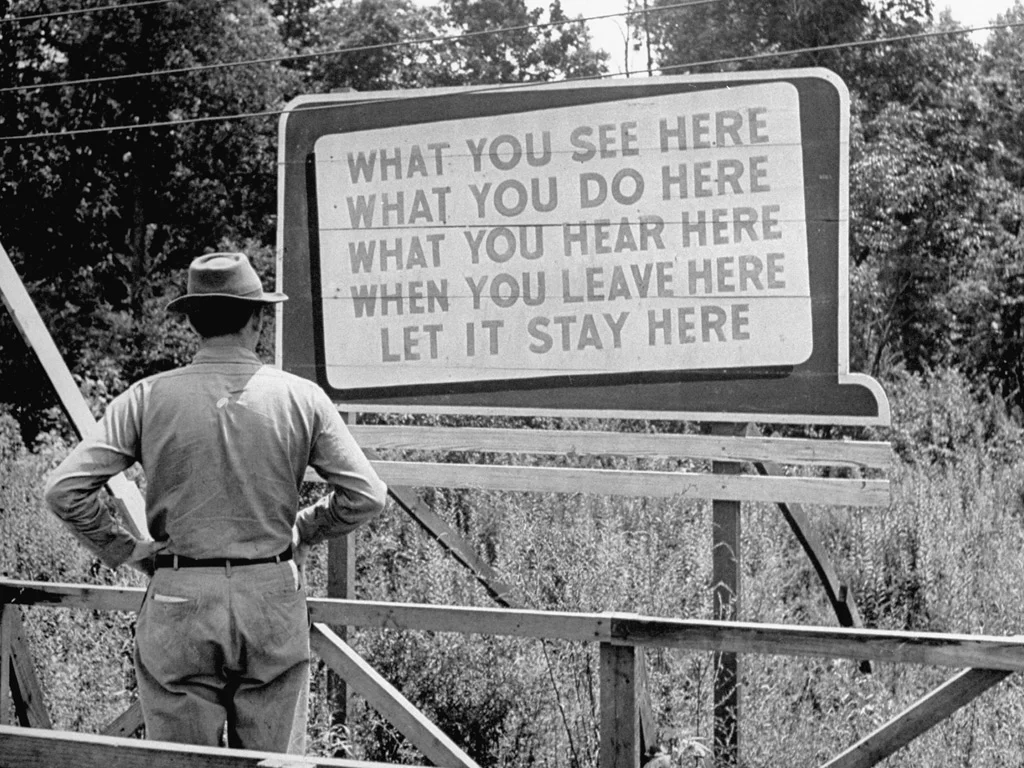
Web 2.0 and the Manhattan Project
While listening to a podcast of a recent interview with Richard Rhodes, author of The Making of the Atomic Bomb, I was struck by the question, “What if the Manhattan Project had been conducted using the collaborative and social networking tools we now have?”