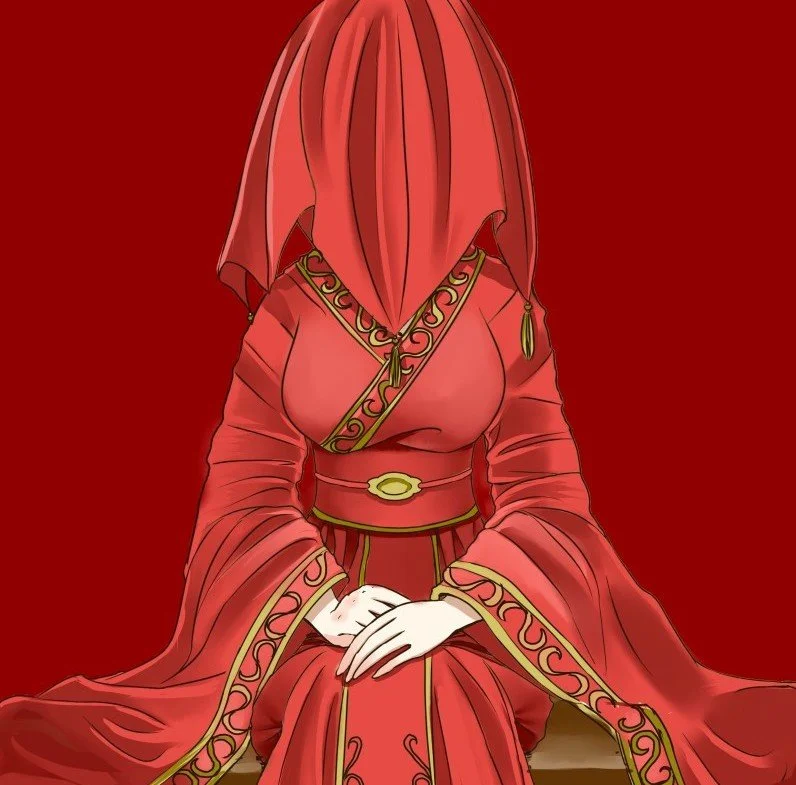
The Apothecary Diaries (Anime Series, Season One)
Review by Dennis D. McDonald
This fascinating anime about imperial court life in ancient China is consistently entertaining, filled with intriguing characters, sumptuous artwork, and intricate plot lines.
The central character, Maomao, is a young woman kidnapped from a brothel in the red-light district and sold into servitude in the imperial palace. There, her intellect and knowledge of medicine, poisons, and chemistry—skills learned from her father, an apothecary and doctor—quickly prove valuable to the palace staff and the emperor’s concubines. Despite her lowborn status, which relegates her to a subservient position in the “rear palace,” her talents set her apart.
She soon attracts notice by solving mysteries, serving as a poison taster, and healing the sick. Her persistence and brilliance eventually draw the attention of Jinshi, a high-ranking eunuch who manages the affairs of the rear palace. While he comes to rely on her insight, Maomao continues to resist the constraints of her lowly station, even as his respect for her grows.
As unusual as this premise may sound, the series is one of the best anime I’ve ever watched. The characters and voice acting (I viewed the Japanese version with English subtitles) are outstanding. Aoi Yūki’s performance as Maomao is sharp, wry, mature, and sarcastic all at once. Visually, Maomao’s plain clothing and short stature make her stand out against the opulent wardrobes and towering presence of the court, yet she becomes indispensable despite her supposed insignificance.
It’s important to note that this is a maturely themed series. Sexual politics and the status of women are constant undercurrents. The contrasts between palace concubines and high-end prostitutes in the red-light district are particularly striking.
The concubines live in luxury but are valued primarily for their youth and ability to bear sons. They must compete for the emperor’s attention, and those who age or fail to produce heirs lose status and are replaced by younger women. Beneath the palace’s glittering surface lies a labyrinth of jealousy, competition, and sexual politics. Maomao, who occasionally seeks respite with her semi-retired father on his herb farm, is forced to navigate these treacherous waters.
Meanwhile, the prostitutes in the brothel where Maomao was raised face similar dynamics. They, too, compete—this time for wealthy clients. The most successful enjoy comfort and luxury, with the hope of eventually securing a patron who will “buy out” their contract.
Despite her youth, Maomao moves between these two worlds, exposing the shared realities of sexism, competition, and survival. Her cleverness and intellect help her endure, at least through the 24 episodes of season one.
In summary: The Apothecary Diaries is a richly drawn, 24-episode anime that blends mystery, humor, social commentary, sexual politics, and beautiful animation. It is entertaining, thought-provoking, and highly recommended.
© 2025 by Dennis D. McDonald














!["EVANGELION:1.11 YOU ARE (NOT) ALONE" [movie]](https://images.squarespace-cdn.com/content/v1/52fbe871e4b060243dd758d6/1669903001839-HJR22R5MSXAHQW6PMTIH/eva-3.jpg)