Tamaki & Pugh's “HARLEY QUINN: BREAKING GLASS”
Review by Dennis D. McDonald
I’m certainly no expert on graphic novels nor am I privy to all the media representations of Harleen Quinzel that have emerged in recent years.
Nevertheless, this graphic novel is terrific.
The artwork jumps off the pages. The story is a fast moving, off-kilter, and engrossing backstory about adolescent Harley and her first encounters with The Joker. And, we get some real insights into the roots of the unhinged Harley we saw as a post-Joker adult in 2020’s fantabulous Birds of Prey.
I look forward to reading more about Harley Quinn!
Review copyright (c) 2020 by Dennis D. McDonald
More “graphic novels”
Featured
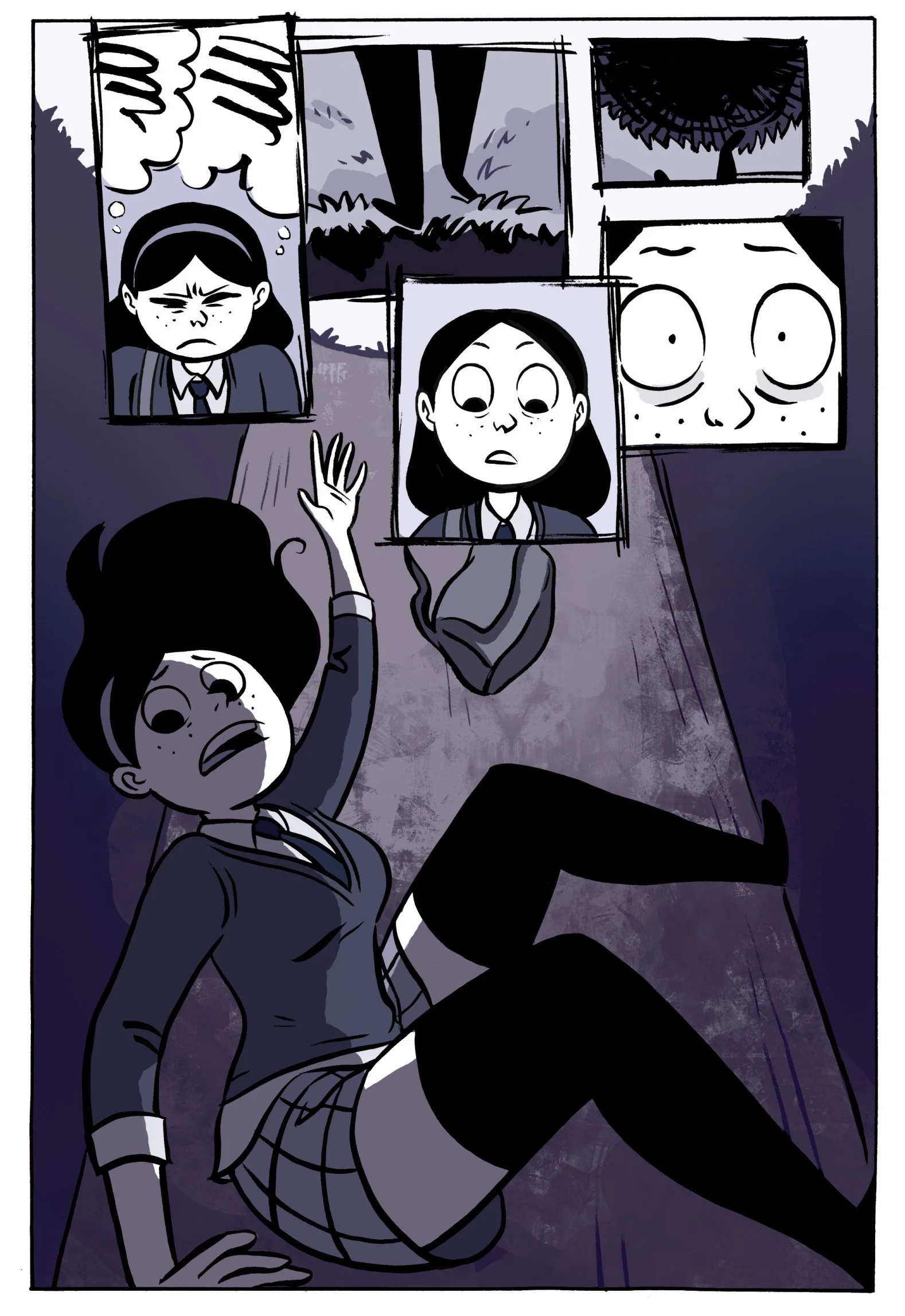

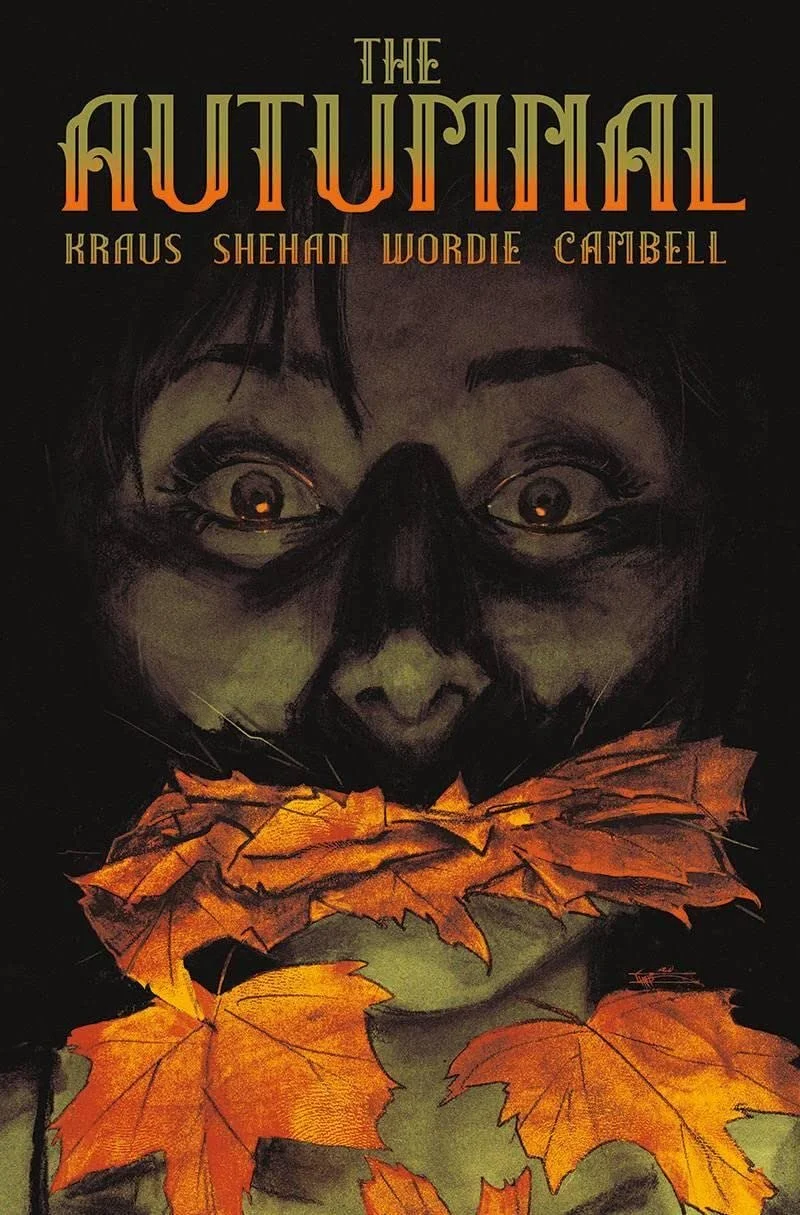
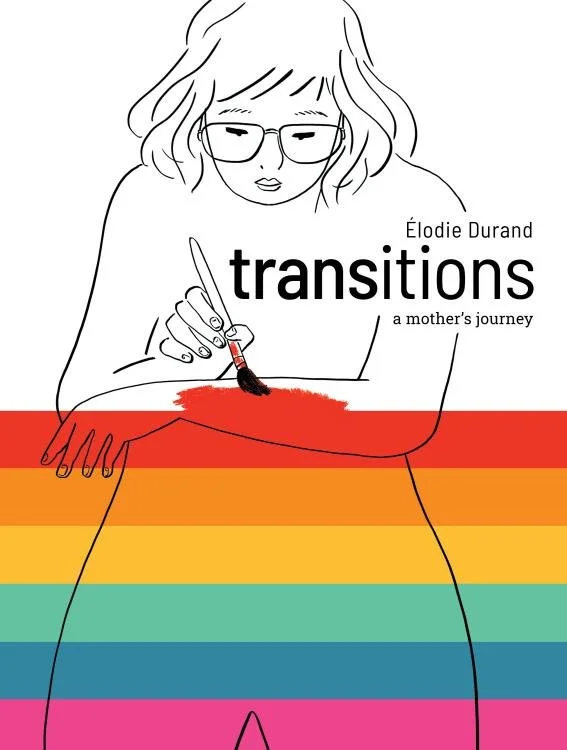








But mysteriously there’s enough recognizable and even semi-linear as narrative here to keep a halfway intelligent or imaginative person interested all the way through.
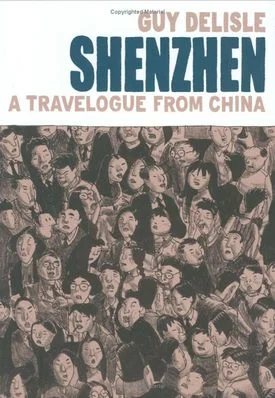
Have you ever worked by yourself for an extended period of time in a foreign country? If so, you’ll recognize a lot of what author Delisle writes about in Shenzhen.
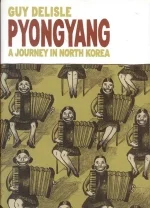
This graphic novel depicts a two-month visit to North Korea by animator Delisle to supervise children’s TV animation work subcontracted by Delisle’s French employer.

This comic strip depiction of Delisle’s year in Burma as a “house-dad” while accompanying his Doctors Without Borders wife is simultaneously touching, funny, and scary.
The artwork is nowhere near the level of detail and sophistication present in the author’s Buddha graphic novel series, but the story’s scope is vast. It begins in the year 3404 when the human race is decaying. The periodic intervention of the mystical Phoenix is all that stands in the way of total physical collapse of the Earth.

My knowledge of Buddhism and the Buddha is minimal. I approached this 8-volume manga series purely out of curiosity when I saw it sitting on the shelf in the graphic novels section of the Alexandria Public Library.

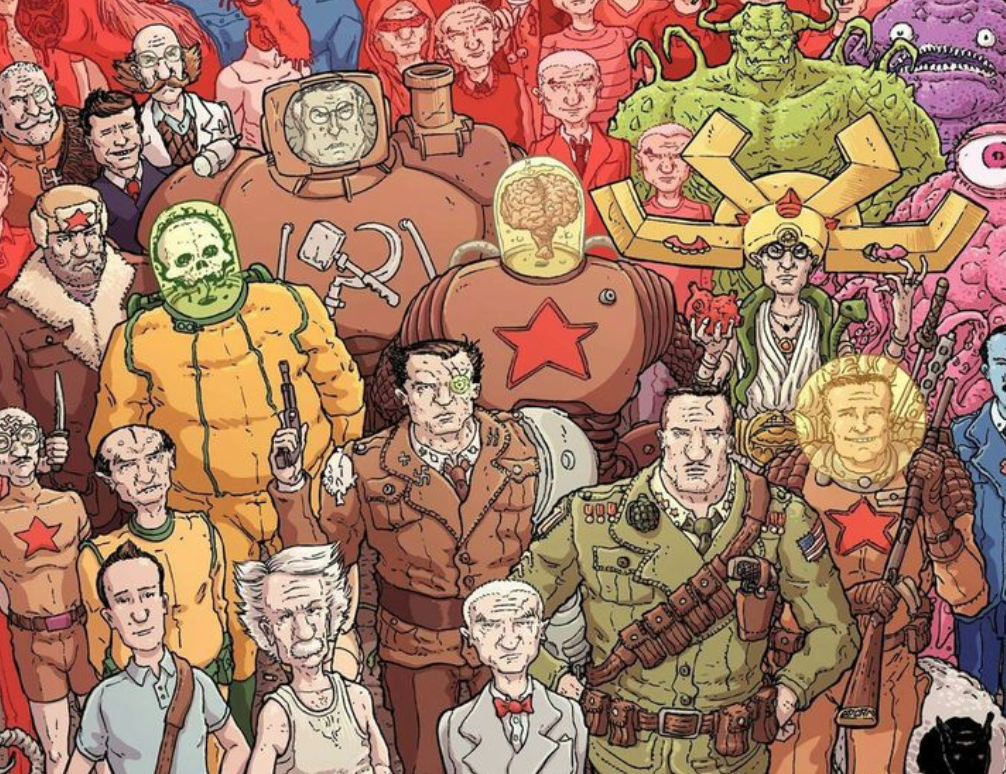
It is common knowledge that the book The Protocols of the Elders of Zion, which tells about a sinister Jewish plot to take over the world, is a 19th-century fabrication that emerged in Europe during the time of the infamous Dreyfuss affair.

I’ve already written about how I came upon this book through a combination of new and old media usage. Now I’ve read it and I am very impressed with the book’s quality, humor, nostalgia, and sensitivity.