AI, Religion, and the Warning Label Problem, Part 1
Government should not regulate belief, but AI developers should explain how their tools handle morality, ethics, and spiritual advice.
Danielle A. Davis Carty’s “The Pope Warned Us About AI, But We’re Missing the Spiritual Question” recently caught my attention. What happens, Carty asks, when AI-based systems begin to perform in ways traditionally reserved for humans versed in religious or spiritual matters?
Based on my reading of Carty, various emerging applications, such as bots trained to give advice based on religious fundamentals, deserve as much attention as our ongoing debates about youth access to AI, data center construction, and the negative impacts of AI “hallucinations.”
While I certainly appreciate Carty’s analyses, it’s not like we haven’t had to deal with such topics before concerning adoption of new technologies to “spread the word of God.” For example, church fathers did not automatically welcome Bibles printed in the vernacular via Gutenberg’s new printing press. Nor did all traditional churches adopt TV evangelism as a way to extend messaging beyond the limited geographical footprints of traditionally structured-and-funded parishes and congregations.
I’m not saying that incorporating religious and spiritual concepts into AI is necessarily evil or benign. Given that religion and spirituality have had both positive and negative impacts on humanity, we would be remiss to ignore their impact on how AI techniques are implemented.
This leads to consideration how society deals with (and potentially regulates) how AI is incorporated into daily life. An interesting treatment of this challenge, told from the perspective of how religion can co-opt technology as well as be co-opted, is episode 3 of the Netflix series Tomorrow + I, “Buddha Data.” What’s fascinating about this series is not just how AI and religion — in this case, Buddhism in a future Thailand — are integrated, but also how commercial interests influence how religion, internet, and AI are intertwined. (This Thai series dates from 2024, which is long before the Pope’s recent encyclical was published, but it’s clear that concerns about religion and AI in society were being paid attention to even back then.)
In my opinion, regulating how religion and spirituality in AI might be managed would be difficult if not impossible. As an American and strong believer in freedom of religion and separation of church and state, I would not support attempts by a state or federal government to require any particular religious set of beliefs to be prioritized over another, just as I oppose posting copies of the Ten Commandments in classrooms.
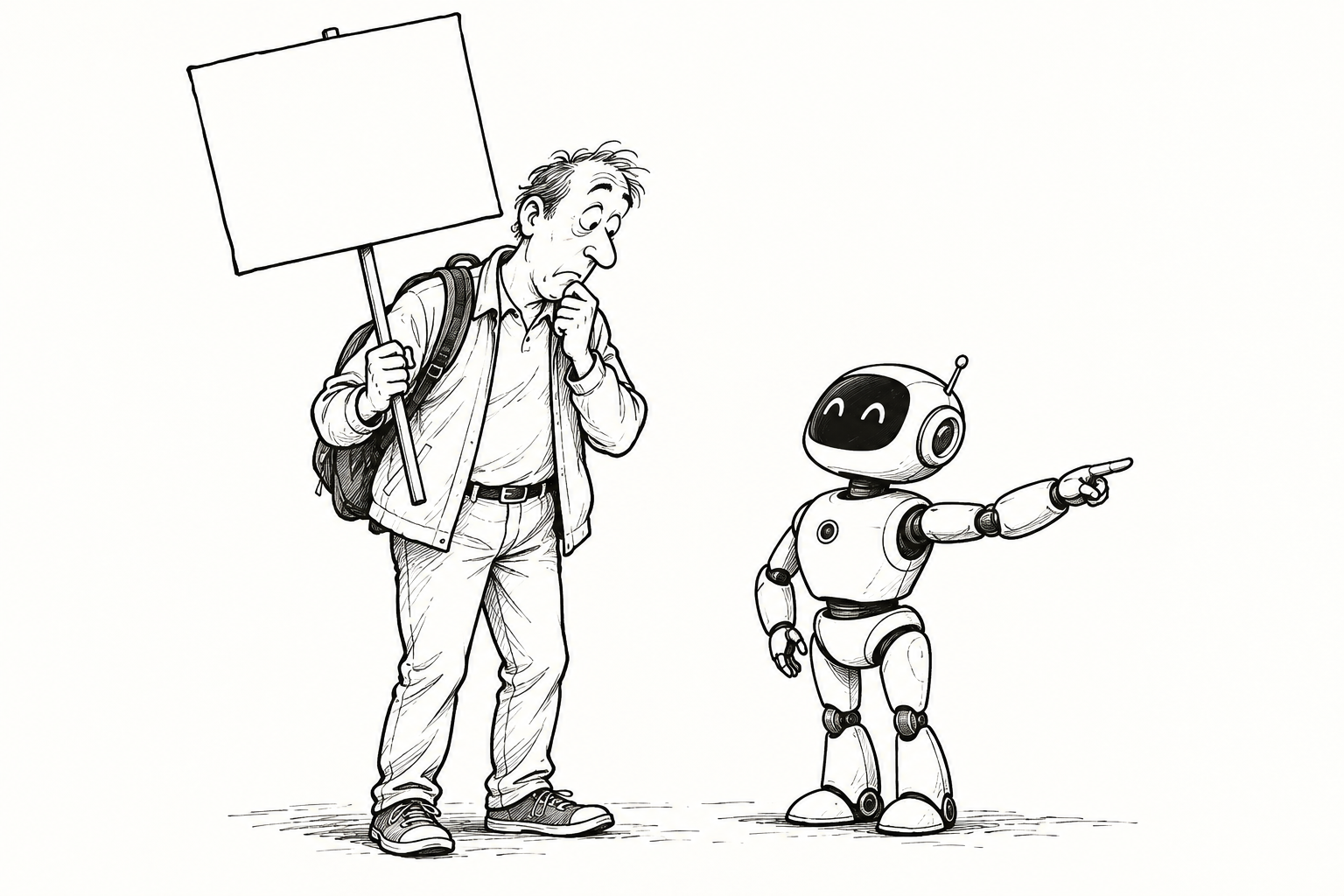
That doesn’t mean that we should not consider the ethical and moral implications of how people use AI, despite the difficulty of separating ethics and morality from religion. Perhaps the best we can hope for is for AI developers to clearly state how their tools are developed and how fundamental judgements are made by the AI when issues of religion, spirituality, ethics, or morality are involved. But then, would such “warning labels” be effective, or would they just be swept aside by users the way that voluminous online “user agreements” are clicked?
For Part 2 of this series, go here: AI, Religion, and the Warning Label Problem, Part 2
Copyright © 2026 by Dennis D. McDonald