Technology, Power, and the Future of Democracy
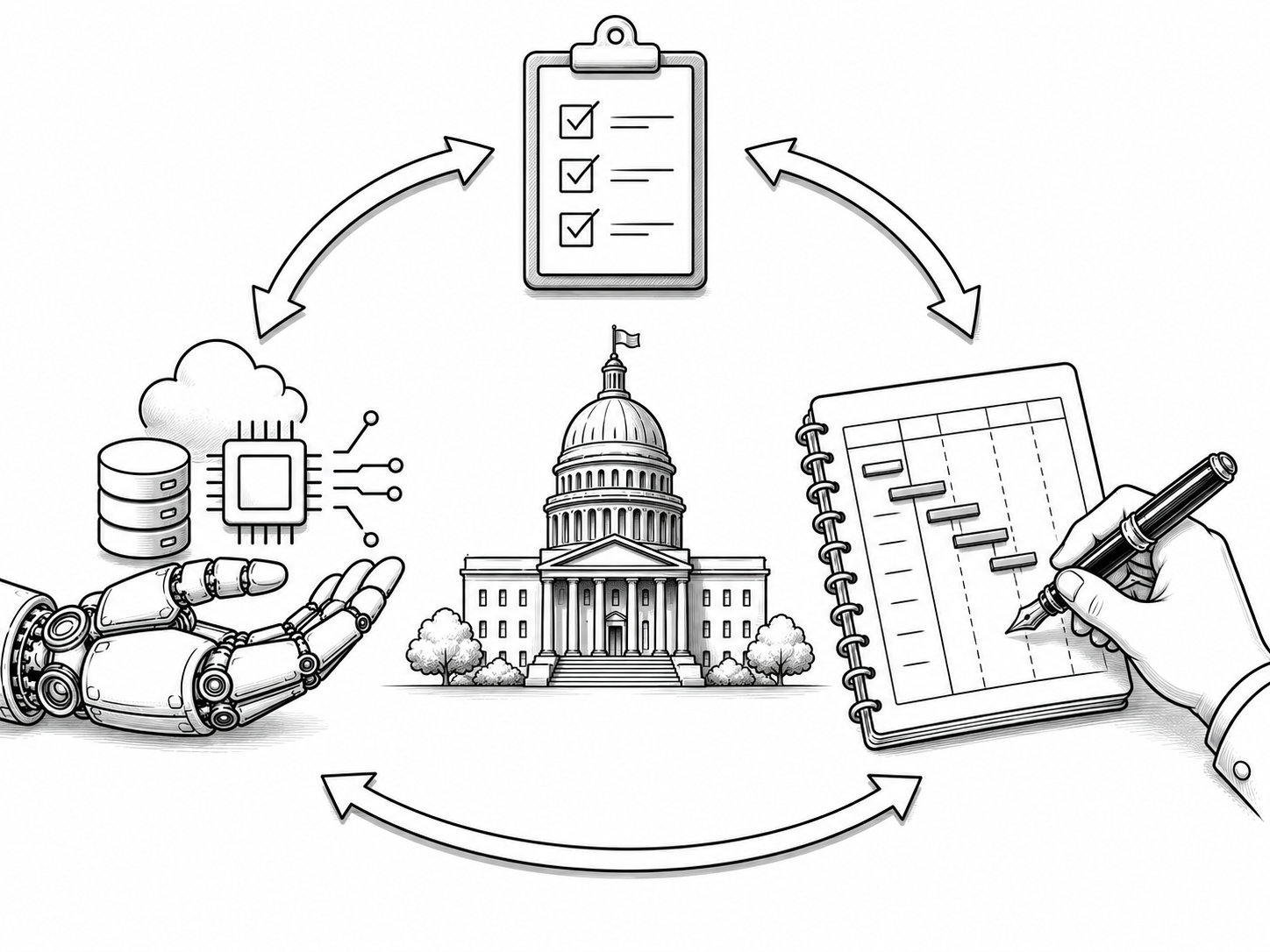
I have always believed that technology can be used for both good and bad purposes. This includes the technologies underlying both the Internet and AI.
Separating the good from the bad when it comes to these technologies can be problematic. Reasons for this are expressed in the article by Nathalie Maréchal titled “Tech Policy Is on the Front Line of Fascism vs. Democracy. Pick a Side.”
The Maréchal article points out that the confluence of economics and politics, including the growing concentration of wealth in the hands of a few, has reached a point where decisions about how technology is employed can run roughshod over traditional so-called “liberal” concerns such as privacy, respect for intellectual property, free speech, government transparency, and civil liberties in general. Maréchal quotes TechDirt’s Mike Masnick:
“…what’s happening in the US right now is some sort of weird hybrid of the kind of power grabs we’ve seen in the tech industry, combined with a more traditional collapse of democratic institutions… The story that matters most is how the dismantling of American institutions threatens everything else we cover. When the fundamental structures that enable innovation, protect civil liberties, and foster open dialogue are under attack, every other tech policy story becomes secondary.”
There is more going on here than just “the rich getting richer at the expense of the rest of us.” The wealthy are not only getting richer, they appear to be allied with (or even controlling) government policymakers and are willing to influence communication and the flow of information in ways that actively promote the erosion of free speech, civil liberties, and social justice.
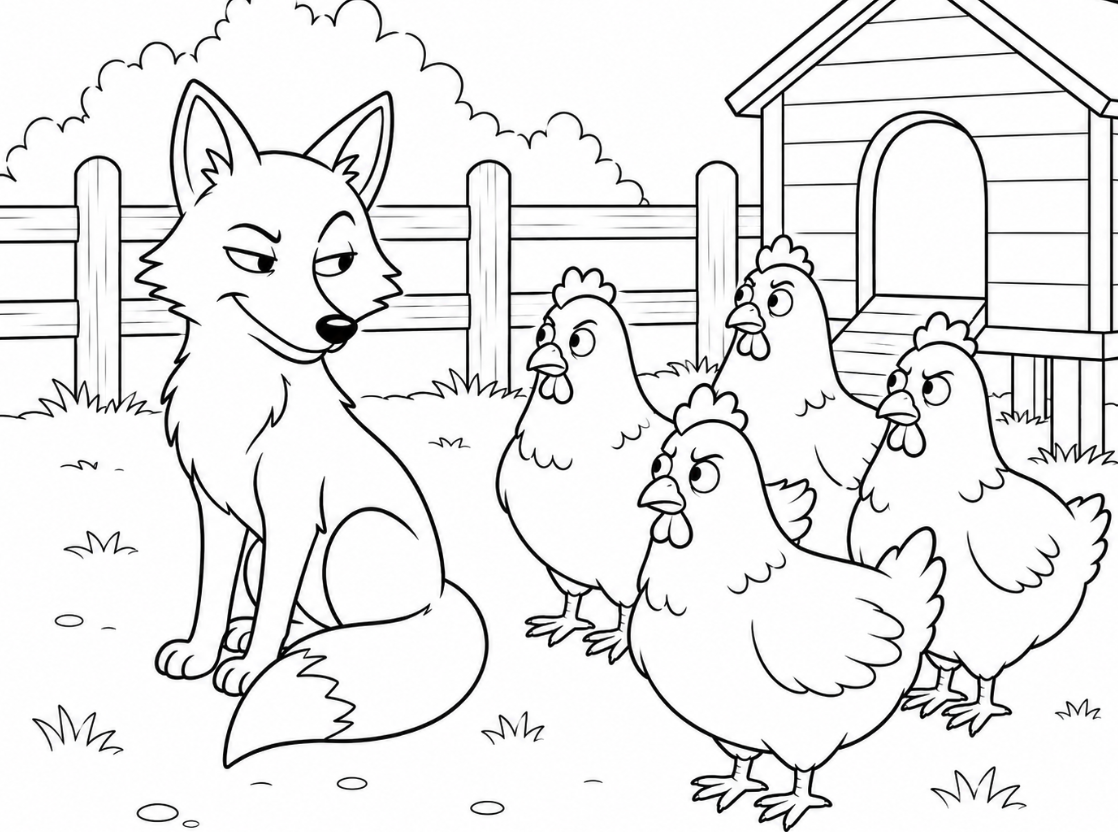
I think it is overly simplistic to blame current threats to freedom and democracy directly on technologies like the Internet and AI. It’s the old story of the fox governing the henhouse: the fox can’t be expected to implement policies that will restrict his access to the henhouse if he is also controlling how rules for accessing the henhouse are made.
The same goes for controlling misinformation, as discussed in my article “AI, Misinformation, and Trust — the Scarce Commodity.” If those controlling the Internet and AI feel disadvantaged by the truth, they will not support rules and policies designed to ensure truthfulness. This resistance to external rules and oversight also extends to resisting accountability for harms to health or safety they are accused of enabling.
Do I agree with Maréchal’s view that we have to “pick a side” in the fight between authoritarianism and democracy?
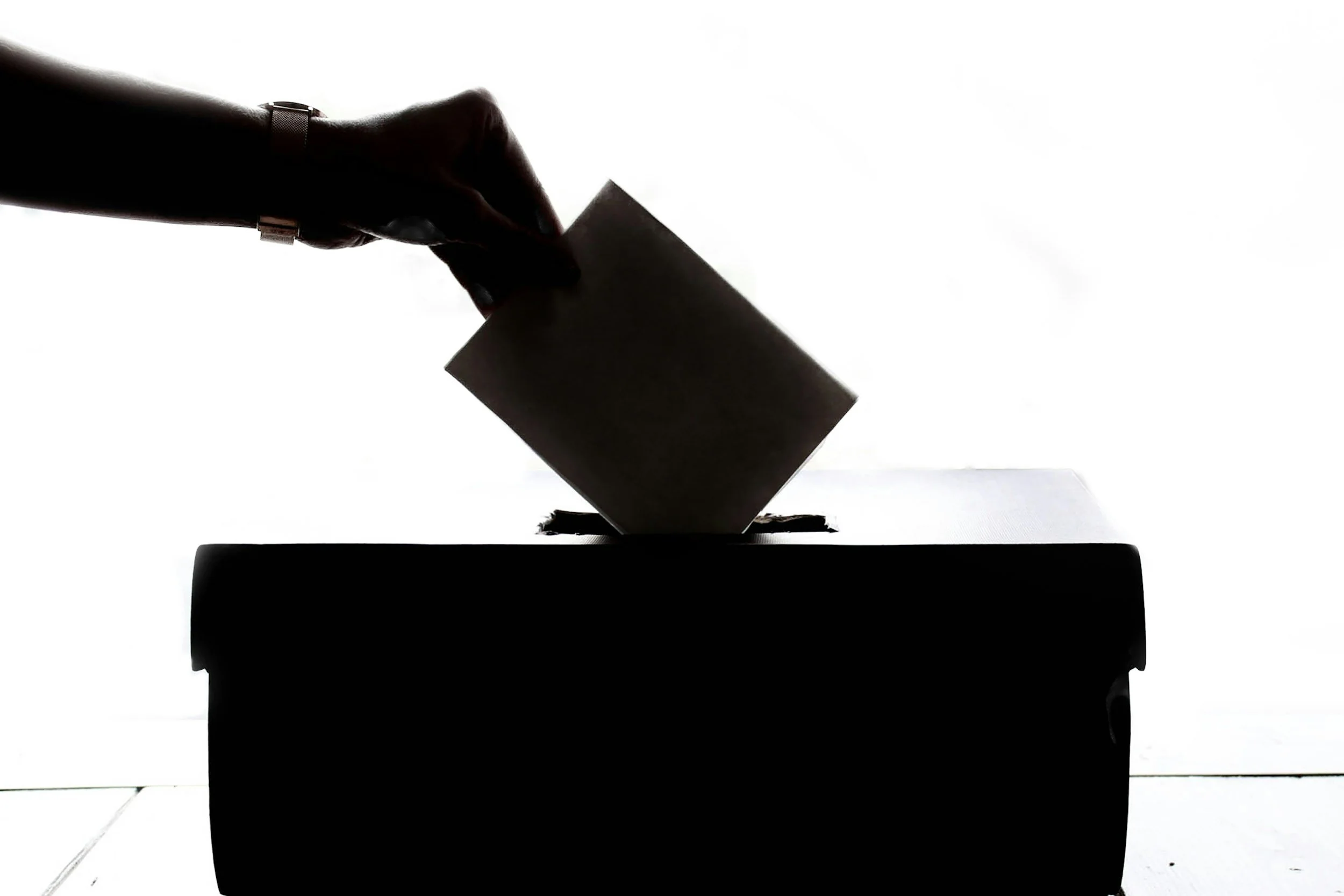
In theory, I do agree — especially here in the US where authoritarianism is clearly on the rise, as shown by the steady erosion of voting and other rights. At the same time, it’s too simplistic to attack the forces behind the Internet and AI without also acknowledging the good these tools can support. The forces aligned against democracy and the rule of law here in the US are formidable, and these forces are aggressive in how they employ the Internet and AI—much of which they control—to promote their interests.
One galling aspect of this is that we are forced to consider using methods that previously would have been almost unthinkable in the defense of democracy, such as gerrymandering election districts to counter gerrymandering in other districts.
We must also face an uncomfortable truth: there are many who appear indifferent to the erosion of democracy. One irony of this is that the same Internet and AI tools that are used by those attacking democracy can also be used to convince voters of the need to preserve democracy. This means that today’s fragmented media environment can be employed both to attack democracy and to defend it.
Copyright (c) 2026 by Dennis D. McDonald. Image created using the AI tool Coloring Book Hero.