You Know Me, but Who Knows You?
I keep getting scam recruiter messages via LinkedIn’s messaging system of the type I described in “The Fake Recruiter is only the tip of the iceberg.” The pattern is the same: a recruiter says my background is relevant and demonstrates having researched my public profile, then asks for more details if we move to Signal, WhatsApp, or Telegram. The recruiter refuses to email my publicly available address from a company domain so I can research the sender’s validity.
I get a couple of these messages a week from LinkedIn accounts I don’t recognize. I suspect others get them as well. I put them in the same annoyance category as the sketchy emails promising to get my website on the “front page of Google,” and the constant drumbeat of political fundraising texts. They’re annoying but manageable so I don’t get bent out of shape over these LinkedIn “recruiter” messages. As the man said, “Welcome to the real world, Neo,” although in this case the situation is the opposite!
Maybe it makes sense to deal with such fakery and deception as just one more thing we learn to do in the modern world. I’m reminded of how Neal Stephenson described the “metaverse” in his classic novel Snow Crash, a computer-generated world where people interact via digital avatars. How people appear and manage their metaverse selves depends on software, money, and influence. Real-world conflicts and identities can be reflected in the metaverse; dealing with that is something one must just learn to do when one enters the metaverse.
Maybe we just need to accept that we can never be sure the strangers we deal with electronically are who they say they are, while at the same time we learn to manage such interactions to our benefit.
In my case, the litmus test for LinkedIn messaging is whether the “recruiter” is willing to use a corporate email domain for follow-up. That’s not a perfect solution, but it’s a start.
Another cue: be skeptical about any message posted on social media without an easily traceable source. This happens a lot on Bluesky (and Twitter, I suppose): someone posts an image designed to enrage us about the current US political situation, but fails to provide a reliable date, source, or link. Is the message real or fake? Increasingly, I ignore such messages because the senders are putting the onus on me to verify them. That’s not the way to make a sale! (And, no, “just googling it” is not an adequate response!)
In other words, given how difficult it is to trust messages these days, we must always be on the lookout for possible fakes. That task is getting harder as technology continues to improve and becomes available to everyone, including to the bad guys—as well as the guys who just want to sell us stuff.
I’m not optimistic that government and the private sector will ever be able to regulate the situation to everyone’s satisfaction. Perhaps the best we can hope for are the following:
Make everyone more aware of the potential for fakes.
Rely on existing laws to prosecute where appropriate.
Provide honest identity and source information when we communicate online.
Above all, be careful about sharing personal information with strangers.
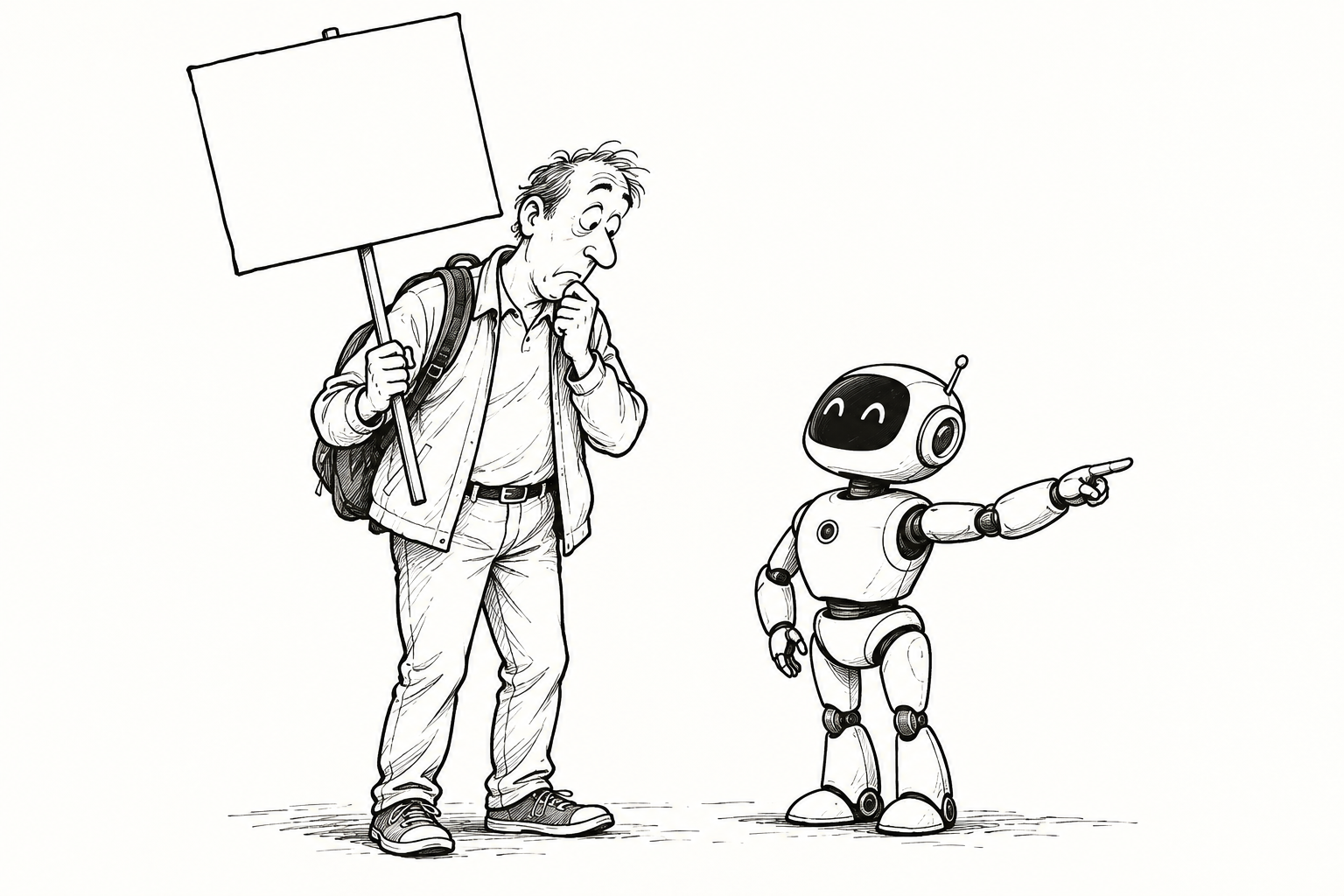
Copyright (c) 2026 by Dennis D. McDonald. Image generated by ChatGPT after a conversation about opening a door to a hallway containing potential deceptions.