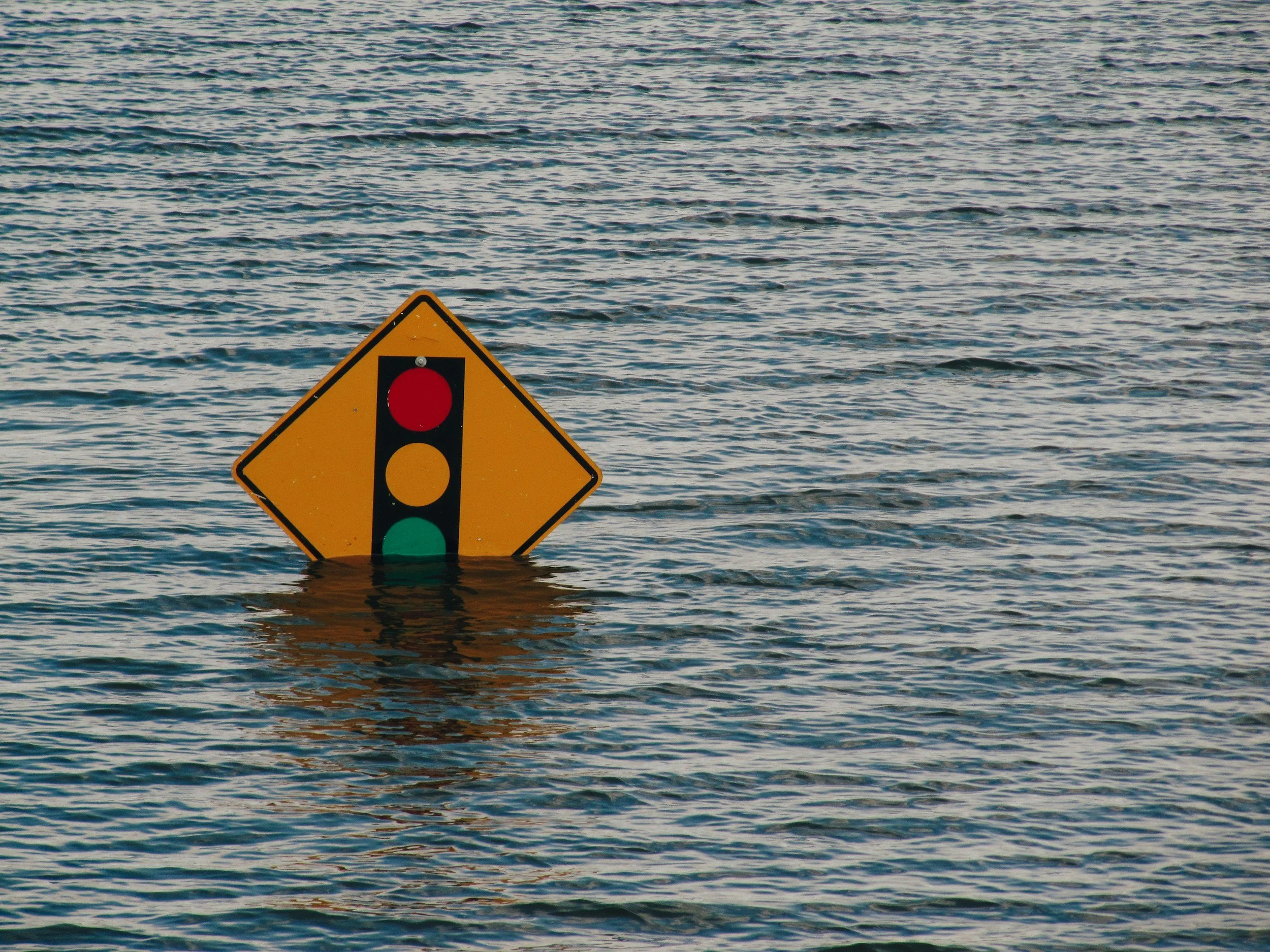
When it comes to open health data, how open is too open?
According to a recent Science news report, Journal Publishers crack down on research from open health data sets, some research journal publishers are looking twice at suspect research based on public health data sets such as the CDC's National Health And Nutrition Examination Survey (NHANES).
The problem: some researchers are submitting papers containing potentially spurious correlations that, unless confirmed by additional analysis, can communicate potentially misleading findings related to public health.
Solutions to the problem, which, according to the Science article has resulted in multiple journals already having rejected literally thousands of submitted papers-– include:
Requirements for additional analysis.
Inclusion of results from different data sets.
Compliance with checklists and extra steps that must be undertaken by researchers prior to submission.
Outright bans on acceptance of papers from selected open data sets.
While the report also states that some "paper mills" are already finding ways to sidestep some of these control methods, the bottom line is that journal editors and reviewers will now have extra work to do as long as a "publish or perish" ethos is imposed on researchers.
My guess is that many editors have already recruited AI tools to aid in the review process to help identify and “weed out” questionable submissions. That “open science” has both positive and negative implications is nothing new. The irony of this in our AI-soaked world leads me to wonder if we are heading towards our own Butlerian Jihad?
Copyright 2025 by Dennis D. McDonald