Don’t Blame the Algorithm: Polarization May Be Inherent in Social Media
In the August 15, 2025 SCIENCE Magazine article Don’t blame the algorithm: Polarization may be inherent in social media Hannah Richter reports on a University of Amsterdam study titled Can We Fix Social Media? Testing Prosocial Interventions using Generative Social Simulation. The research used a simulation that included both an algorithm-free social network and AI-based simulated “agents” interacting in a variety of scenarios.
What the Study Tested
The goal was to determine whether, in an algorithm-free environment—where the formation of like-minded groups is not artificially accelerated—polarization and clustering of people with extreme positions would still occur.
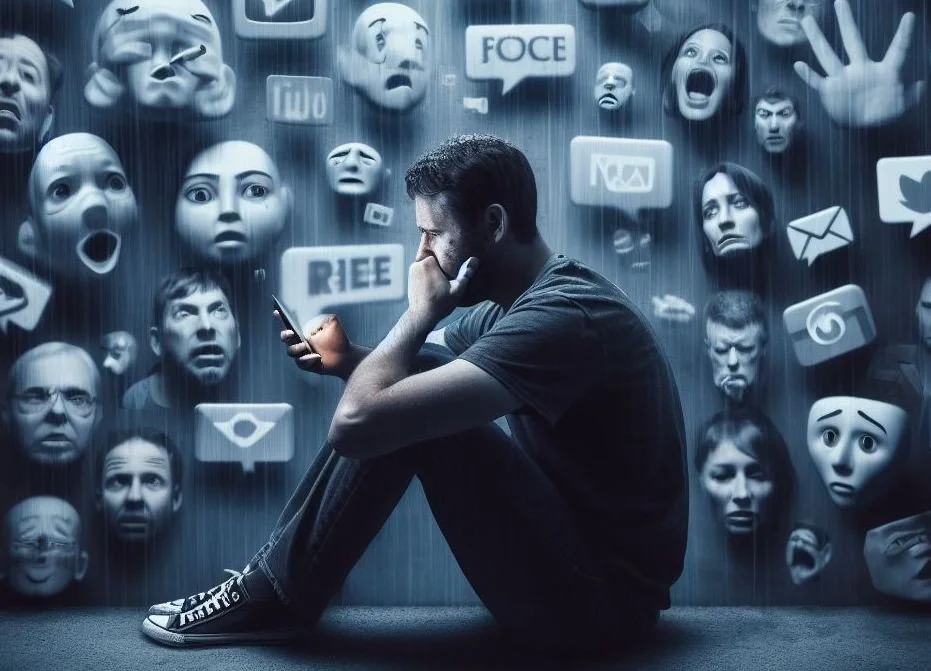
Even without algorithms, three dynamics still appeared:
Partisan "echo chambers" formed
Influence concentrated in a small number of "elites"
Extreme voices were amplified
Attempts to Fix It
The researchers tested six different interventions, including:
Showing posts chronologically
Boosting posts from people with opposing political views
Hiding social cues like follower counts or bios
But none consistently addressed polarization. For example, chronological ordering reduced follower concentration but did not lessen ideological homophily—the tendency of people to connect with those who share similar political beliefs.
Research Authors Conclusions
From their discussion:
“This study has demonstrated that key dysfunctions of social media – ideological homophily, attention inequality, and the amplification of extreme voices – can arise even in a minimal simulated environment… in the absence of recommendation algorithms.”
“Taken together, our findings challenge the common view that social media’s dysfunctions are primarily the result of algorithmic curation. Instead, these problems may be rooted in the very architecture of social media platforms: networks that grow through emotionally reactive sharing.”
My Takeaway
While the authors acknowledge the limits of AI-based simulations, the findings resonate with personal experience: “birds of a feather” do tend to flock together. Social media make it easy for people to cluster around perceived beliefs, regardless of whether the content is true or reliable.
Algorithms can amplify or muffle voices, but the deeper issues lie in identity, trust, and verification. If social media allow anonymous posting without accountability, then much of what we read online may represent something other than honest human communication. What exactly that represents, however, remains unclear. At minimum, it reminds me not to trust what I read online to be representative of what a lot of people in the so-called “general population” are thinking!
Copyright 2025 by Dennis D. McDonald