On Reading Cixin Liu’s “Death’s End”
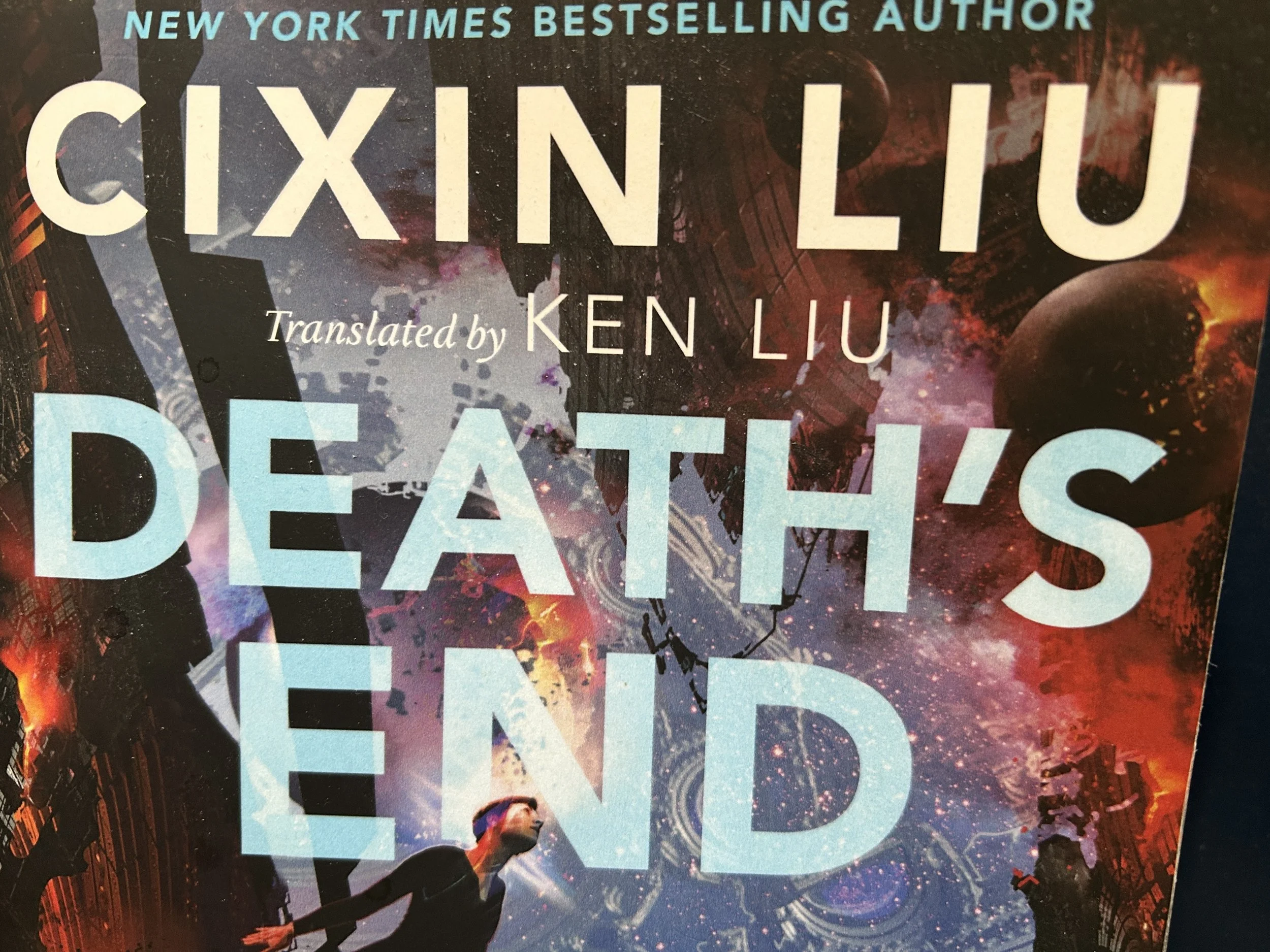
A photo of the cover of the paperback edition of DEATH’S END
This is not so much a book review as a novice’s contemplation of the role that communication plays in human and cosmological events as related in the three books in Cixin Liu’s Remembrance of Earth’s Past trilogy, of which Death’s End is the third.
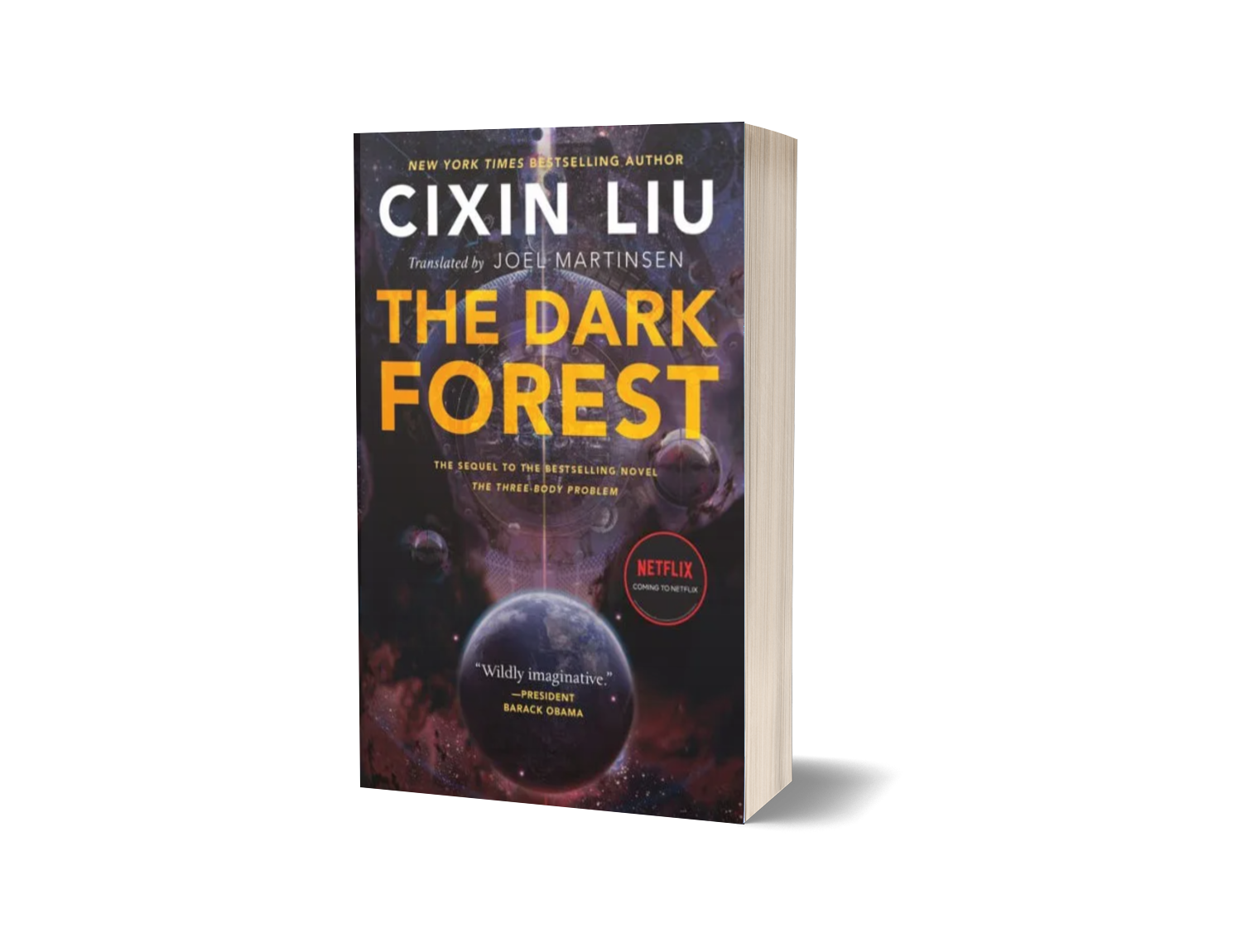
Communication is important in all stories about people. How the author uses communication in these books is at times surprising and even breathtaking. In book one, The Three-Body Problem, the use of the sun to transmit an interstellar message made my jaw drop. In book two, The Dark Forest, the plot hinges on who knows what, and when, about the intentions of a potential adversary.
In book three, Death’s End — I’m about halfway through — gravity wave broadcasting serves as both a deterrent and an instigator of interstellar conflict.
Aside from the imaginative science behind these communication plot points, is the importance of communication — or lack of it — in human history at all surprising? Obviously not. Look at the sometimes acrimonious historical debate about whether the U.S. could have prevented WWII’s disastrous Pearl Harbor attack by the Japanese. Assuming FDR did not know about the attack in advance, what communication breakdowns prevented decision-makers in the U.S. from being more prepared?
These hypotheticals are considerably different from the tale that Cixin Liu spins. He even makes almost-perfect real-time faster-than-light communication part of the story through the sophons, which are examples of how higher-dimensional physics becomes central to how civilizations interact.
Even more significant than the obvious importance of communication to the story is the flavoring of communication with the related issues of trust and truthfulness. Just because we receive a message, how do we know it is true? How can we know that the source of the message is being honest? In Liu’s trilogy, the fate of worlds — literally — can hinge on these issues of trust and honesty.
Here on today’s Earth, we see such questions being played out on a daily basis in both interpersonal and international relations. Knowing who and what to believe in the ongoing “peace” negotiations with Iran, for example, is almost impossible, yet these events hold life-and-death implications.
As noted earlier, I’m only halfway through this book. In reading about it, I have studiously avoided spoilers, so I really don’t know where it is headed. I’ve heard it described as “bleak”; perhaps the book’s title gives some indication of where we are headed. I expect, however, that the concepts of communication, trust, and honesty — as well as deception — will continue to be important.
Copyright © 2026 by Dennis D. McDonald. The image at the top of this article is where I hand-wrote this review.