Science Communication, Truth, and the New Media Challenge
The editorial in the June 2, 2026 issue of Nature, “The future of science communication is not an article like this,” argues that how people communicate is changing and that how science is communicated must change as well. For example, Nature now has YouTube and TikTok accounts, which, it says, have supplanted Facebook’s importance.
According to the Nature editorial, one reason scientists need to interact via modern media is to counteract scientific misinformation being spread in areas such as vaccination and climate change. It’s important to note that the focus here is on science news, not on the reporting, communication, and validation of original research. Such “formal” communication mechanisms have traditionally been the purview of scientific societies, meetings, and peer-reviewed journals.
Younger researchers may already be relatively more comfortable with using “new media” than their more senior colleagues; this may simply be an expected generational shift. While I certainly believe that all media have a role to play in communicating science to the public, the reality is that both “modern” and “legacy” media may both be declining in trustworthiness. Using modern media to overcome the spread of scientific misinformation will be a challenge, especially since these media are often more fragmented and decentralized than legacy media. Consider the following:
The use of modern media often involves packaging information in short, visually appealing packets that are easily scrollable on handheld devices. This can make it difficult to communicate complex scientific ideas.
While AI can be used to help generate truthful messages, it can also be used to produce true-looking false messages that may be difficult to counter.
Social relationships have always been important in communicating science. Once a message spreads beyond the author’s social community, though, will the use of new technology really help spread the word to “outsiders” who may not be paying attention?
The mix of available communication channels is always in flux. This requires regular monitoring not only of which technologies are available but also of how best to match them to the message and target audience.
I agree with the need for scientists to be familiar with new media and how to use them effectively when the need arises. This may be easier said than done, given the need for more multimedia artistry and personality, as well as personalization. (See “When Science Needs Visuals - But the Scientist Isn't an Artist for a discussion of times when artistic talent is needed.)
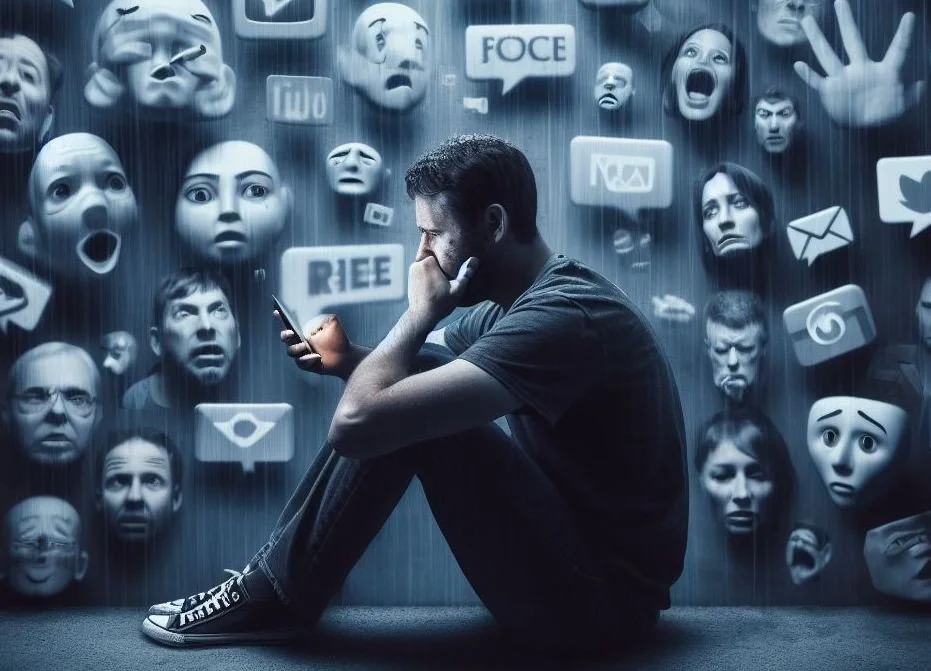
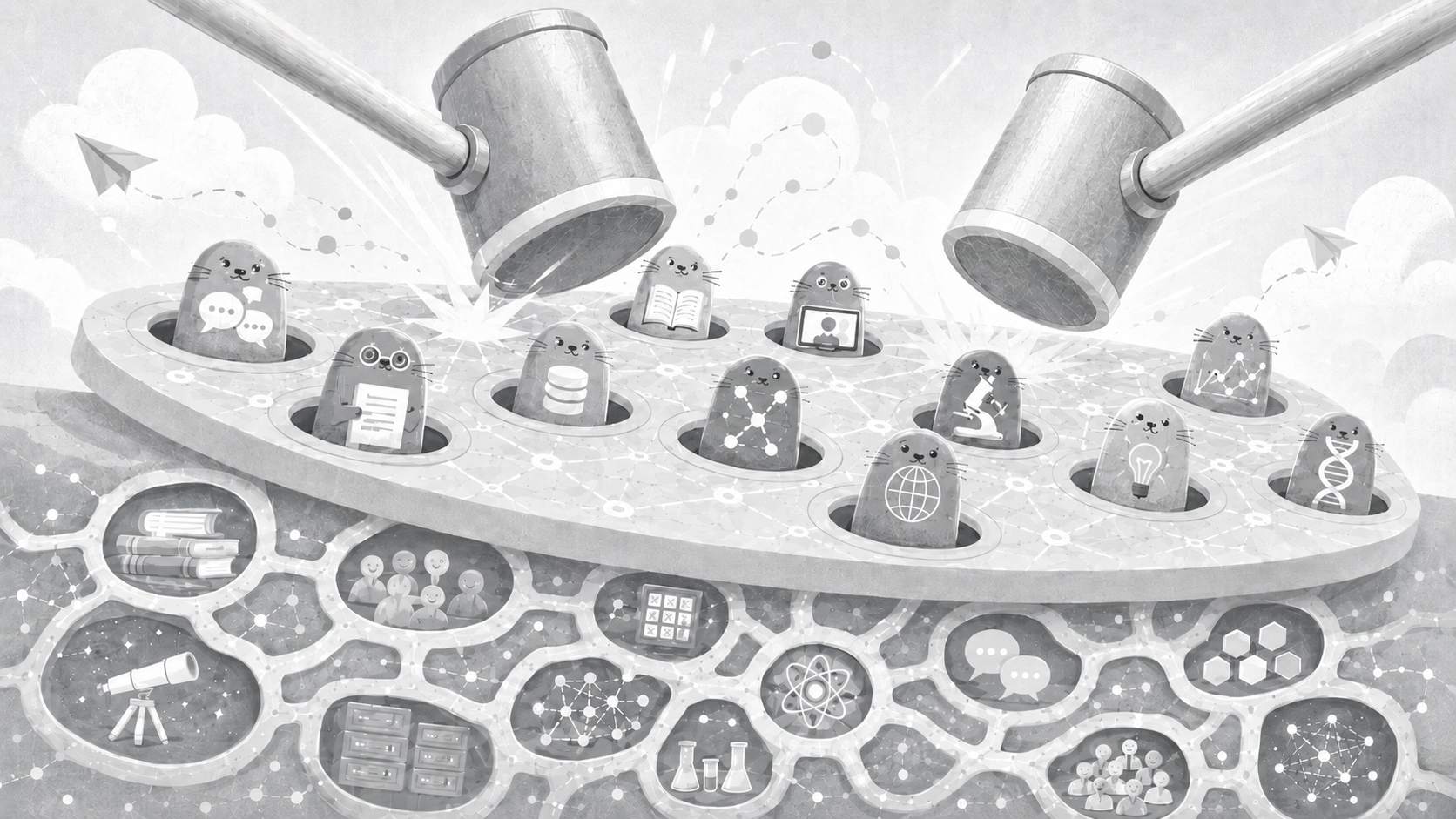
Another issue with using new media to spread scientific information is quality control. It’s easy to post fake science on social media channels, and AI tools are making this easier than ever. Responding to and posting “debunking” informationwhen “fake scientific news” is detected is a challenge, given the ease with which both truth and lies are propagated.
Perhaps in the near future we’ll have dedicated bots that scan the web and flag certain scientific items for attention and follow-up by qualified humans. Until that happens, scientists and science communicators will need to focus on developing trustworthy personal relationships and delivery channels that can be relied on to help get “the true word out” when the need arises.
This may be a challenge: fewer individual scientists have the presence, reputation, and clout of entities such as Nature. Perhaps this “quality-control gatekeeper” role for communicating truth is one that should be played by scientific societies as an adjunct to, or strengthening of, existing public communication efforts.
Copyright © 2026 by Dennis D. McDonald