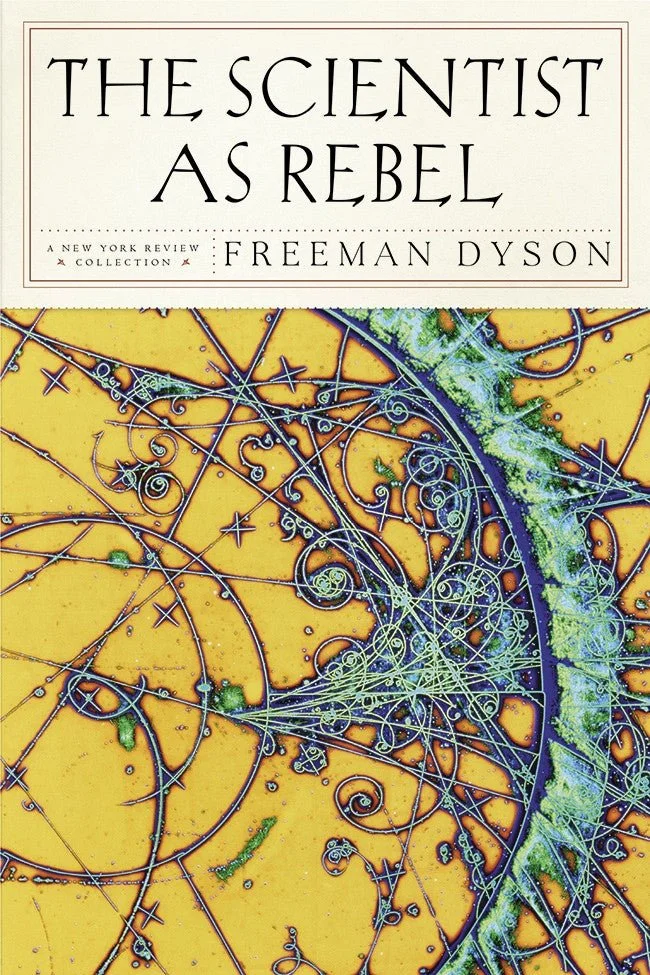
Freeman Dyson's “THE SCIENTIST AS REBEL”

This collection of essays and reviews by the physicist/mathematician Freeman Dyson makes for fascinating reading. The range of topics is broad and the style of writing is clear and approachable. Topics include religion, hydrogen bombs, Isaac Newton, the relative roles of technology and ideas in the advancement of science, the future of humanity in space (think: comets), and the role of amateurs in scientific research.
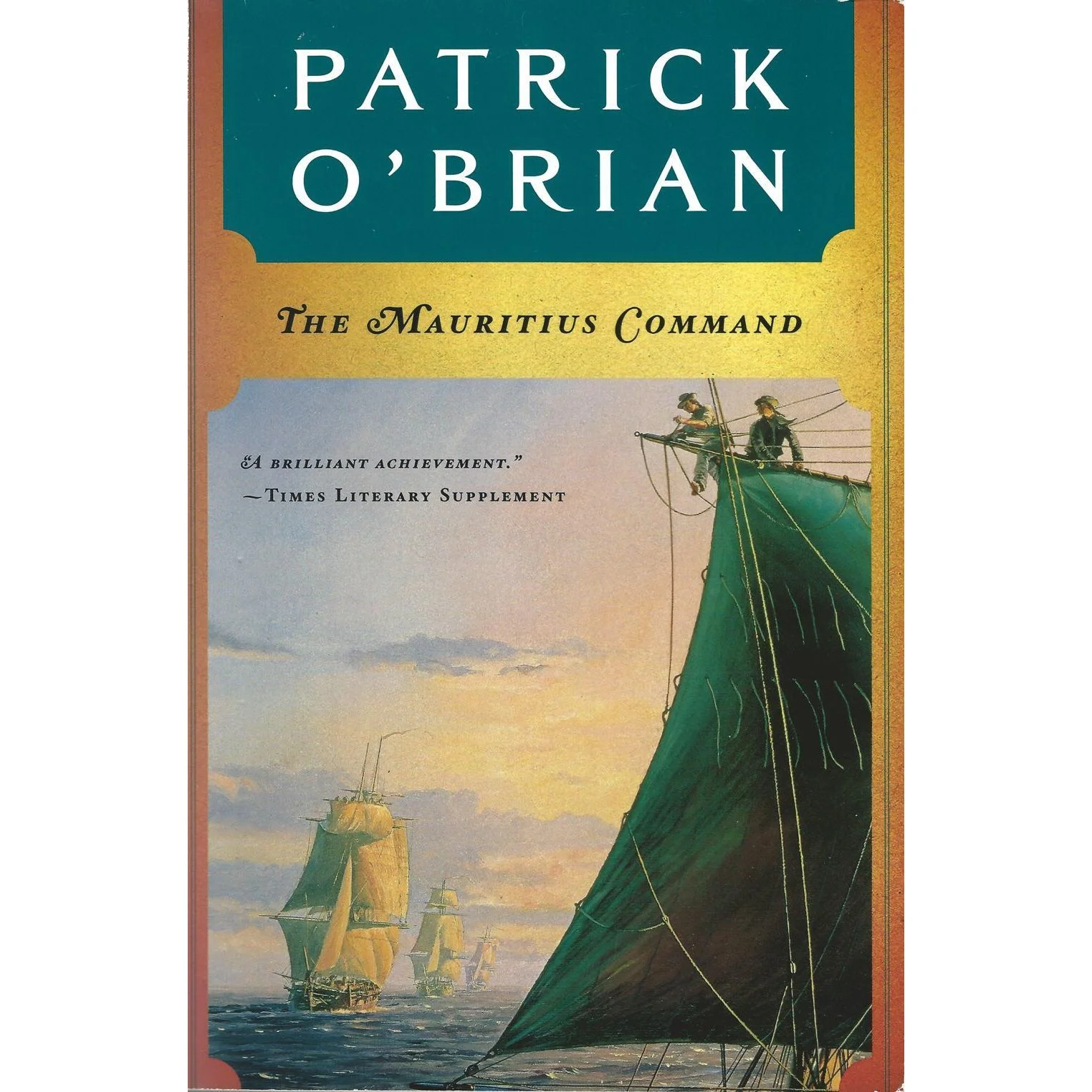
Patrick O'Brian's THE MAURITIUS COMMAND

The book starts out with Jack, reduced to half pay while he awaits a command, surrounded by his family (and mother in law) in a shabby English country “estate” where he is proving unequivocally that he does not have the makings of a farmer. One day his friend Steven visits and announces that Jack will receive orders and a command. Jack’s assignment: assume command of a small fleet and retake two islands in the Indian Ocean from the French.

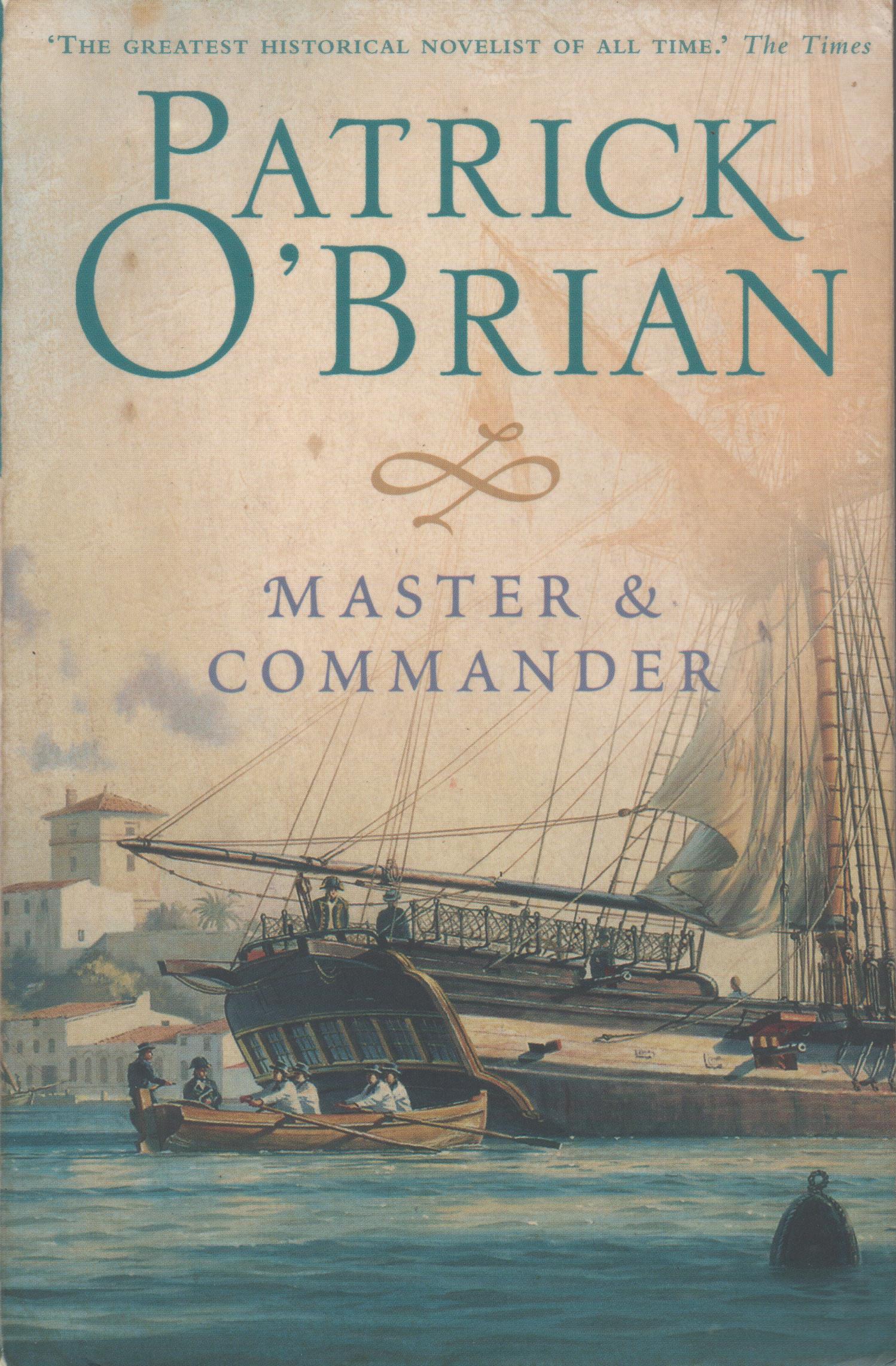
Patrick O'Brian's MASTER AND COMMANDER

What comes across in the pages of this novel is real, palpable, and authentic sounding. Reading about the friendship of Jack Aubrey and physician Maturin, with side references to music, science, medicine, Ireland, the Catalan language, courts martial, outdoor dinner parties disrupted by drunken sailors, and old Barcelona, is as vivid as history can get.

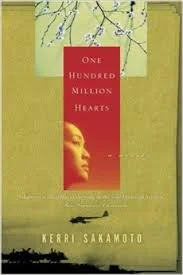
Kerri Sakomoto’s “ONE HUNDRED MILLION HEARTS”

This novel tells the story of a young Canadian woman who, following the death of her Japanese father, returns to Japan to discover the secrets of their heritage. She finds her father had trained as a Kamikaze pilot during World War II but, to his shame, did not die a glorious death. After the war he returned to Canada where he raised his crippled daughter, never revealing his past.

Arturo Pérez-Reverte's “THE FENCING MASTER”

It is 1866 in Madrid. The old regime is toppling as unrest hits the hot summer streets. Aging Don Jaime Astarloa goes about his business, teaching the children of upwardly mobile parents the ancient art of Fencing. His students do not appreciate the rigor and nuance that Don Jaime insists upon. They treat him as the honor-bound anachronism that he admits to being. He is more interested in living up to an ascetic — and acerbic — personal code that demands honor, truth, and devotion to principle.

George Orwell's HOMAGE TO CATALONIA

Reading this book is essential to understanding Orwell since his experiences in the Spanish Civil War had such a profound effect on him. He saw with his own eyes how politicians in remote locations can cause death and destruction in the name of political ideals, ideals which Orwell points out are sometimes little more than an unapologetic quest for power in the name of high ideals.

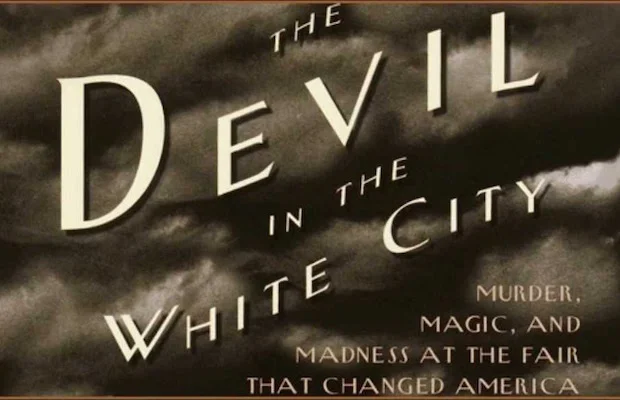
Erik Larson's “THE DEVIL IN THE WHITE CITY”

Another time and place: the 1893 World’s Fair in Chicago. Midwestern entrepreneurs are intent on besting the recently completed Paris World Fair. Their goal: show that the U.S. takes second place to no one. Just as important: Chicago pride dictates that New York will be bested as well, despite Chicago’s 19th Century reputation as a rough, artless metropolis smelling of the Stockyards.